Breast Health Services
At TidalHealth, we understand the importance of breast health for you and your loved ones. Our team provides supportive, thorough care, offering services such as screening, diagnosis, follow-up, and education. From routine exams to advanced imaging and biopsies, our goal is to provide clear answers and peace of mind throughout your breast health journey.
Mammography
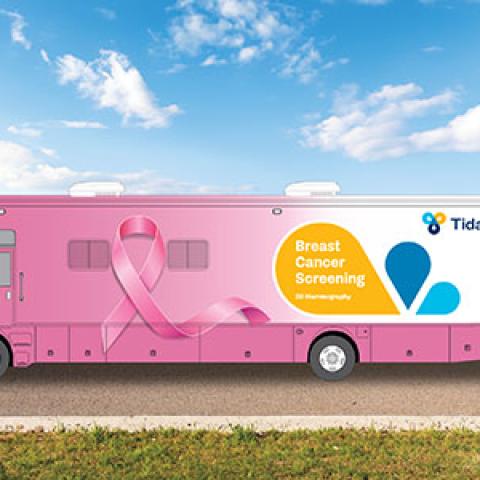
Mammograms are X-ray images used to detect tumors or changes in breast tissue. Regular screening mammograms help catch breast cancer early, when it is easier to treat. We offer 3D mammography technology, which improves detection, especially in dense breast tissue. If you notice a lump, nipple discharge, unusual pain, or other breast changes, our specialists can determine if a mammogram is appropriate. Screening schedules vary, so discuss the best timing with your provider.
Breast Ultrasound
Breast ultrasound uses sound waves to create images inside the breast. It is often used after a mammogram finds something or when symptoms like a lump or nipple discharge are present. Ultrasounds do not use radiation and can differentiate solid masses from fluid-filled cysts, providing clearer insights into breast health.
Breast MRI
A breast MRI is a detailed, radiation-free scan. It is not a replacement for mammograms but is helpful for detecting or evaluating breast cancer, examining lumps, reviewing implants, or planning surgery. Sometimes a special dye is used to highlight certain details.
Breast Biopsies and Procedures
- Stereotactic Breast Biopsy: Removes tissue seen on a mammogram but not ultrasound.
- Ultrasound-Guided Breast Biopsy: Minimally invasive needle biopsy guided by ultrasound.
- Wireless Localization for Biopsy or Lumpectomy: Marks and guides tissue removal during surgery.
- Cyst Aspiration: Removes fluid from a cyst to confirm it is not cancerous.
Bone Density Testing
Bone density tests measure bone strength, often recommended for those at higher risk of osteoporosis or affected by menopause or cancer treatment.
Genetic Screening for Cancer Prevention
Our Cancer Prevention Program evaluates personal and family history to identify higher-risk individuals. Genetic counseling and testing are available to help you make informed decisions about your health.
Supporting You Every Step
We guide you through tests, explain results, and ensure your images are securely stored and accessible. Our team is available to help with copies or questions about your records.
When should I have a screening mammogram?
Annual mammograms are recommended starting at age 40. If you are at higher risk, such as a close family member diagnosed before age 50, begin screening 10 years before their diagnosis age. Your provider will help determine the best schedule.
Is there a risk of radiation from mammograms?
Mammography uses very low radiation, similar to a cross-country flight. TidalHealth minimizes exposure and provides lead aprons and thyroid shields if needed.
Are mammograms painful?
Some people feel discomfort from the compression plates. Timing the exam for when breasts are less tender can help. Each X-ray lasts only a few seconds, and our staff provides support throughout.
How is a mammogram performed?
You will undress from the waist up and wear a robe. The technologist positions your breast for two images per side, with brief compression. The entire exam typically takes about 10 minutes.
How is my mammogram read?
Images are reviewed with computer-assisted detection software and interpreted by experienced radiologists who carefully examine each study.
When will I get my results?
Screening results are read within 24 hours. You and your provider usually receive a letter within three days. Concerning findings are communicated directly.
How should I prepare for a mammogram?
Wear comfortable clothing and avoid deodorants, lotions, powders, or perfumes on the day of your exam. A robe will be provided.
What is the difference between screening and diagnostic mammograms?
Screening mammograms are routine checks for those without symptoms. Diagnostic mammograms evaluate symptoms or abnormalities and may include additional views or tests like ultrasound.
What is a call back?
A call back occurs when more images are needed after a screening mammogram. It does not mean cancer is present; most findings are normal or benign.
How do I know if I am at high risk for breast cancer?
High-risk factors include:
- Two or more close relatives with breast cancer, especially premenopausal
- BRCA1 or BRCA2 gene
- Radiation therapy to the chest between ages 10–30
- Lifetime risk of 20–25% or higher based on history or genetic tools
What happens if something suspicious is found?
Further evaluation may include additional mammogram views, ultrasound, biopsy, or consultation with a specialist. TidalHealth schedules follow-ups promptly.
Are new technologies available for breast screening?
We incorporate advancements like 3D digital mammography (tomosynthesis) and explore techniques such as breast-specific gamma imaging and positron emission mammography to improve detection and reduce unnecessary biopsies.
What if I have had mammograms elsewhere?
Previous images help compare changes over time. Arrange to have them sent to TidalHealth before your appointment; our team can assist if needed.