Breast Health
At TidalHealth, we understand the importance of breast health and provide a caring, thorough approach for all our patients. Our team supports you with a range of diagnostic services and personalized guidance at every step, making breast health care accessible, understandable, and less overwhelming.
Our Approach to Breast Health
TidalHealth offers comprehensive breast imaging and diagnostic services, including routine mammograms, ultrasounds, MRI, and advanced procedures when needed. We use up-to-date techniques such as 3D mammography, which helps us detect breast cancer earlier, especially in patients with dense breast tissue. Mammograms are an important screening tool, and our specialists recommend discussing with your healthcare provider when to begin regular screenings, particularly if you have a family history of breast cancer.
What to Expect
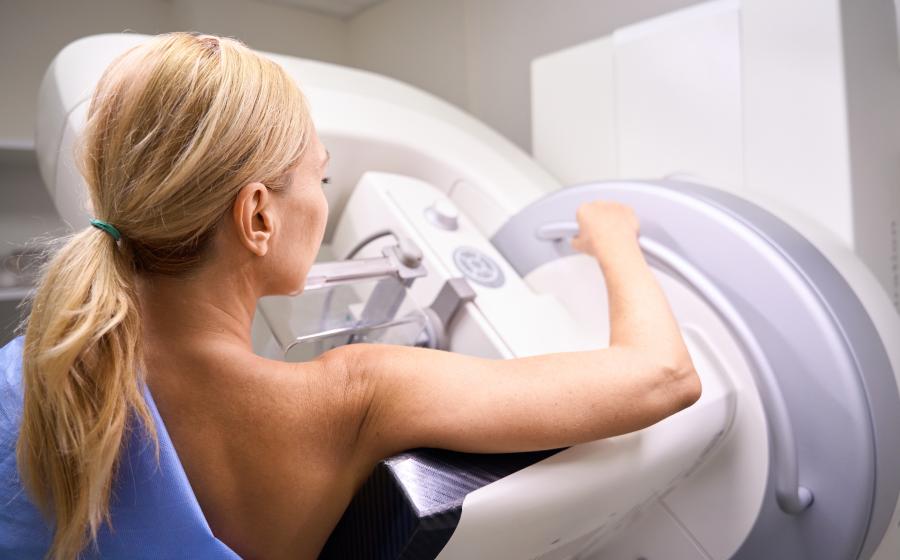
- Mammograms: A mammogram is a series of X-ray images used to find tumors or other changes in breast tissue. You will be asked to undress from the waist up and we provide a gown for your comfort. Some discomfort may occur, but the exam is quick and our staff uses gentle techniques to minimize discomfort.
- Ultrasound: We use sound waves to take a closer look at areas of concern, such as lumps or abnormal findings on a mammogram. Ultrasound does not involve radiation and is safe for all ages.
- Breast MRI: Our specialists may recommend a breast MRI to capture even more detailed images, often used for patients at higher risk or to provide additional information following other tests. Breast MRI does not use radiation.
- Biopsy Procedures: If more information is needed, minimally invasive procedures such as stereotactic breast biopsy or ultrasound-guided breast biopsy allow us to collect tissue samples for evaluation. Our team explains each step and provides support before, during, and after these procedures.
Patient Support and Guidance
We believe knowledge empowers you to make the best choices for your health. TidalHealth offers education about breast self-exams, risk factors, and prevention. If you need extra support, our breast health specialists and navigators are here to answer your questions with compassion and care.
Commitment to Quality
TidalHealth’s breast imaging services are supported by a dedicated team who prioritize your dignity, privacy, and well-being. We use advanced technology while maintaining a welcoming, family-centered environment, so you can feel comfortable asking questions and participating in decisions about your care.
When should I have a screening mammogram?
TidalHealth’s specialists recommend that most women begin annual screening mammograms at age 40. If you are considered high risk, for example if your mother or sister had breast cancer before age 50, talk with your provider about starting screenings earlier, typically 10 years before your relative’s age at diagnosis.
Are mammograms painful?
Some women find the compression during a mammogram uncomfortable, and in certain cases, it may be somewhat painful. Scheduling your exam when your breasts are less tender, such as about a week after your menstrual period, may help. The process is very quick and each image takes only moments to capture.
Is there a risk of radiation exposure from mammograms?
Mammography uses a very low dose of radiation, much less than most other X-ray exams. The amount of radiation is similar to what you would experience on a cross-country flight. TidalHealth uses special techniques and protective equipment to keep exposure as low as possible.
How is a mammogram performed?
During a screening mammogram, our technologists take two images of each breast. The breast is gently compressed for a few seconds for each image to get clear results. The entire exam usually takes about 10 minutes.
What’s the difference between a screening and a diagnostic mammogram?
A screening mammogram is a routine test for women without symptoms, while a diagnostic mammogram is performed when there are breast symptoms or changes or if something unusual is seen during a screening mammogram. Diagnostic mammograms may include additional or specialized images to further examine a specific concern.
What should I avoid before my mammogram?
On the day of your exam, do not use deodorant, lotions, powders, or perfumes on your underarms or breasts as these can show up on images and be mistaken for abnormalities.
How long does the exam take and when will I get my results?
The entire mammogram visit usually takes less than 15 minutes. Results are read within 24 hours and you will receive a letter with your results, typically within three days. If there is anything concerning on your mammogram, our team will call you directly for follow-up.
What if I am called back for more images?
Being called back after a screening mammogram is common and most often does not mean cancer. About 10 percent of patients need extra views or an ultrasound, and most findings turn out to be normal or benign. If you are called back, our team will explain next steps and answer any questions.
How do I know if I am at high risk for breast cancer?
You may be at high risk for breast cancer if:
A strong family history of breast cancer (two or more close relatives with breast cancer, particularly if diagnosed while premenopausal)
Personal or family history of the BRCA1 or BRCA2 genes
History of chest radiation between ages 10 and 30
A calculated lifetime risk of breast cancer of 20 to 25 percent or higher, often determined with the help of a genetic counselor.
What if something suspicious is found on my mammogram?
If there is a suspicious finding, additional imaging such as special views or ultrasound may be recommended. Occasionally, a biopsy may be needed to clarify the diagnosis. Our specialists will work with you to schedule further testing quickly and support you throughout the process.