Pediatric Hematology & Oncology
Pediatric Hematology & Oncology at TidalHealth is focused on diagnosing, treating, and supporting infants, children, and adolescents with blood disorders and cancer. Our team cares for a wide range of conditions, such as childhood leukemia, lymphoma, brain and solid tumors, as well as non-malignant blood disorders including sickle cell disease, thalassemia, immune cytopenias, hemophilia, other clotting disorders, and inherited bone marrow failure syndromes.
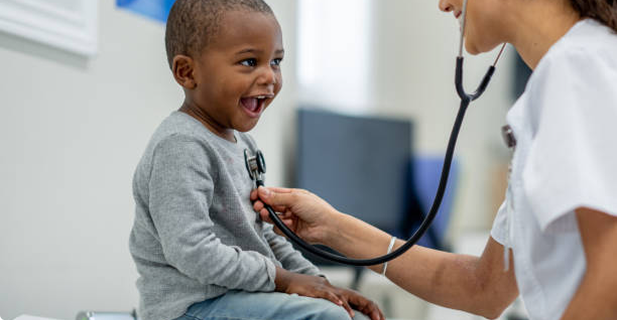
Care is family-centered and developmentally appropriate. Our clinicians explain tests and treatments in ways that make sense to children and work closely with caregivers when making decisions.
We use a multidisciplinary approach. The team includes pediatric hematologist-oncologists, specialized nurses and nurse practitioners, pharmacists trained in pediatric chemotherapy and supportive care, nurse coordinators, social workers, behavioral health specialists, child life specialists, nutritionists, physical and occupational therapists, palliative care consultants, and genetic counselors.
Our services include diagnostic testing, imaging, and bone marrow aspiration or biopsy. Treatment plans are individualized and may involve chemotherapy, immunotherapy, targeted therapies, transfusion support, clotting factor replacement, and more. We focus on managing symptoms and side effects, infection prevention, long-term survivorship care, and providing access to clinical trials when appropriate.
At TidalHealth, we value honest communication, practical symptom support, attention to school and developmental needs, and resources for siblings and caregivers. Our goal is to treat the disease, support each child’s growth and development, and help families navigate treatment and survivorship in the most supportive way possible.
What conditions do pediatric hematology and oncology specialists treat?
At TidalHealth, we treat children facing cancer, such as leukemia, lymphoma, and brain or solid tumors, as well as blood disorders including sickle cell disease, thalassemia, hemophilia, immune thrombocytopenia, and bone marrow failure syndromes.
When should I see a pediatric hematologist or oncologist?
You may be referred to our team after abnormal blood tests, unexplained bruising or bleeding, recurring infections, lasting fatigue or pale skin, unusual masses, or if a blood disorder or cancer is suspected. Some families are referred after newborn screenings or genetic testing for inherited conditions.
What happens at the first visit?
During your first visit, our team reviews your child’s medical history, performs a focused physical exam, and orders or reviews blood tests and imaging as needed. We explain possible diagnoses, next steps such as further testing, and discuss an initial plan of care. We always make time for questions and will share resources for emotional and practical support.
How are childhood cancers treated?
Treatment depends on your child’s diagnosis and may include chemotherapy, targeted therapy, immunotherapy, surgery, or radiation if needed. Supportive treatments, such as transfusions, antibiotics, medicines for nausea, and nutritional care, help manage side effects. Many children receive care using treatment plans based on pediatric clinical research.
Are clinical trials an option?
Clinical trials can be an important part of treatment in pediatric hematology and oncology. They provide access to new therapies and help advance care for others. If a clinical trial is appropriate, our specialists will discuss options, eligibility, and what taking part might mean for your child and family.
How will treatment affect school, development, and daily life?
The effects of treatment can vary. Our team works closely with schools and therapists to support your child’s learning and development. Child life specialists and social workers can help your family with coping strategies, keeping up with routines, and planning for a return to school or activities.
What supportive services are available for families?
TidalHealth offers many supportive services, including social work, behavioral health, child life programs, pastoral care, financial counseling, and help with lodging, transportation, and school needs. Support is also available for siblings and families who are grieving.
What are long-term follow-up and survivorship services?
Children who finish treatment are seen in survivorship clinics, where we check for any late effects, monitor growth and development, manage ongoing issues, and give advice about staying healthy. You will receive a survivorship plan that explains past treatments and what to expect going forward.
When should I seek urgent care or the emergency department?
If your child has a high fever, trouble breathing, heavy bleeding, sudden severe pain, seizures, or signs of infection and low white blood cell counts, seek urgent care right away. We will give you instructions for when to call us, how to get after-hours help, and when to visit the emergency department.