Asthma attacks
Understanding Asthma Attacks
An asthma attack can be frightening for anyone, whether you are experiencing it yourself or caring for someone else. During an attack, the airways in the lungs become inflamed and narrowed, making it harder to breathe. Symptoms can appear quickly and may become severe in a short time.
When to Seek Emergency Care
Severe asthma attacks can be life-threatening. Call 911 immediately if you or a loved one experiences:
- Shortness of breath or trouble breathing that does not improve with usual medications
- Chest pain or severe tightness
- Wheezing or coughing that worsens quickly
- Persistent coughing or vomiting
- Sudden confusion or difficulty speaking
- Lips or fingernails turning blue or gray
Quick action can save a life. Do not wait — every second counts.
How TidalHealth Can Help
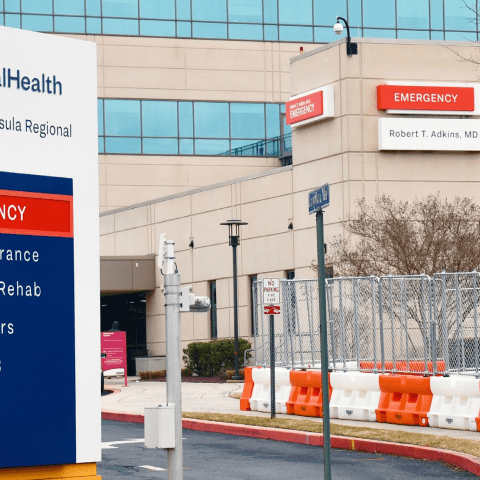
TidalHealth’s emergency care team is available 24/7 for serious asthma attacks. When you arrive at the emergency department, our staff will:
- Quickly evaluate your breathing and symptoms
- Provide treatments to open your airways
- Monitor you closely for changes
- Support you and your family throughout your visit
If you have questions during your visit, our team is here to provide answers and reassurance.
What should I do if I or a loved one is having an asthma attack?
If symptoms are severe or not improving with usual medications, call 911 immediately. Emergency signs include trouble breathing, chest tightness, persistent coughing, worsening wheezing, confusion, or lips turning blue.
What are the signs that an asthma attack is a medical emergency?
- Shortness of breath or difficulty speaking
- Worsening wheezing or coughing
- Trouble walking or performing normal activities
- Color changes in lips or fingernails
- Confusion or drowsiness
What can I expect at the emergency department?
Our team will quickly assess your breathing and symptoms, provide medications to open your airways, and monitor you closely. Our focus is on helping you breathe easier and keeping you comfortable.
Who will care for me during my emergency visit?
A dedicated team of practitioners, nurses, and other healthcare professionals will care for you. You may see a physician, physician assistant, nurse practitioner, or specially trained emergency nurse depending on your needs.
When should I seek follow-up care after an asthma attack?
Even if you start feeling better, follow up with your primary care provider. They can help adjust your treatment plan and provide guidance to prevent future attacks.