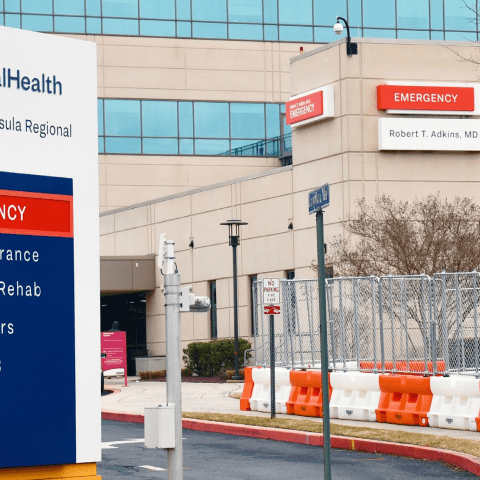
Poisoning & overdose
Poisoning and overdose are serious emergencies caused by exposure to harmful substances, including medications, chemicals, or alcohol, in dangerous amounts. At TidalHealth, our team is available 24/7 to provide immediate care if you or a loved one is affected.
Recognizing Poisoning and Overdose
It can be difficult to know what to do in a crisis. Signs of poisoning or overdose may include:
- Inhaled smoke or poisonous fumes
- Drug or alcohol overdose
- Persistent or severe vomiting or diarrhea
- Sudden confusion
- Seizures
- Severe or sudden pain
- Fainting or loss of consciousness
- Shortness of breath or difficulty breathing
If you suspect a medical emergency, call 911 immediately. Every second counts.
What Happens When You Arrive
Upon arrival, a triage nurse will quickly assess your condition. Care is prioritized based on the severity of symptoms, with the most urgent cases treated first.
During your visit, you will be closely monitored. Our multidisciplinary team — including physicians, nurses, technicians, and support staff — works together to provide comprehensive care. Depending on your condition, you may receive tests, monitoring, or treatments, and if necessary, our team can arrange transfer to a higher level of care.
We’re Here to Help
TidalHealth is committed to your safety and comfort. Please ask questions at any time; we are here to support you and your family throughout your care.
What should I do if I suspect poisoning or overdose?
Call 911 immediately. Quick action is critical and can save lives. Do not attempt to treat serious symptoms at home.
What are the signs of poisoning or overdose?
Signs may include sudden confusion, difficulty breathing, loss of consciousness, persistent vomiting, seizures, or exposure to smoke or fumes. Seek emergency care immediately if these occur.
What happens when I arrive at the emergency department?
A triage nurse will assess your condition, and patients with urgent needs receive priority care. Our team will monitor you, run tests as needed, and begin treatment to support recovery.
Can I ask questions during my visit?
Yes. We encourage questions at any time to ensure you are comfortable and informed throughout your care.